
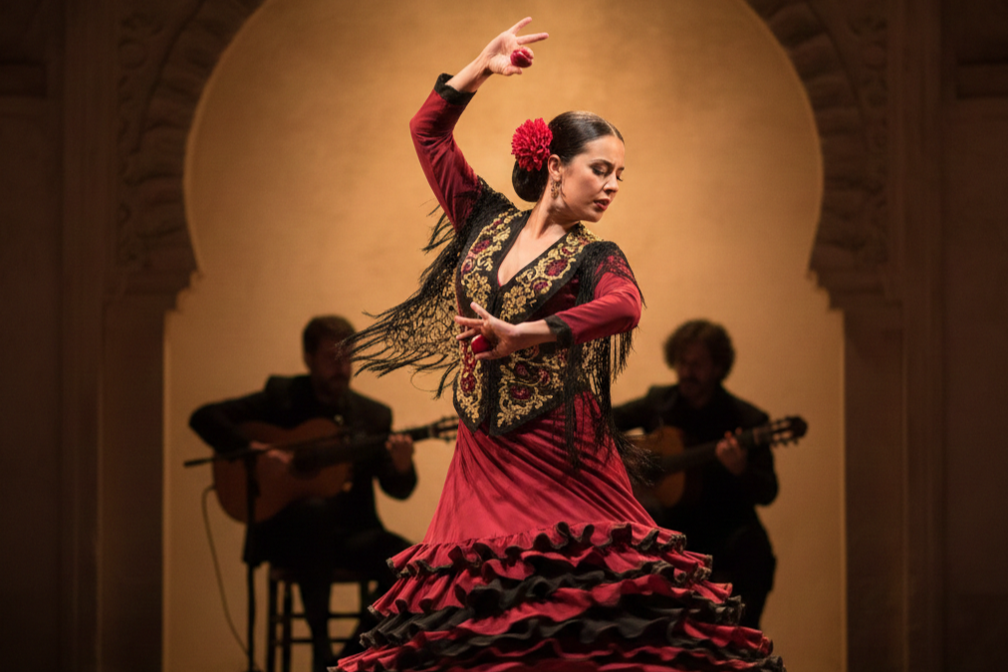
Beyond the Stereotypes about Spain: Things Not to Say When Moving Here
You’re packed and ready to move to Spain, a country often reduced to a handful of postcard images. To truly start off on the right foot, it’s crucial to move beyond the common stereotypes about Spain. But are you aware of the cultural nuances that might trip you up? The quickest way to mark yourself as a clueless newcomer is to lean into these classic clichés. Navigating social situations successfully means understanding which comments, based on outdated stereotypes about Spain, are best left unsaid.

1. "Wow, Everything Is So Cheap!"
This is a big one. You might get a caña (small beer) for €2.50, which is nothing compared to London or New York prices, but leading with this is a tactical error.
The problem with this comment, despite how you mean it, is that it often lands wrong. It sounds a bit out of touch, and maybe even patronizing. You’re comparing local prices to what you’re used to back home, not realizing that for the Spaniard next to you earning a local wage, life in cities like Madrid or Barcelona feels anything but cheap. Rent, bills, groceries – it all adds up. When you revel in how inexpensive everything is, it can feel like you’re overlooking their reality and reinforcing superficial stereotypes about Spain regarding cost of living. A better approach? Talk about the fantastic value: the quality of life you get, the amazing fresh produce at the market, or how affordable it is to socialize.

2. Why Language Matters: Breaking Through Stereotypes about Spain
We hear this all the time, especially in big cities. “Everyone speaks English in Barcelona,” or “I’ll get by with Google Translate.” This is, without a doubt, the most limiting mindset you can adopt.
Assuming and behaving as though you don’t need the local language is a sign that you don’t plan to truly engage with the culture. It places the burden of communication on the Spaniards you meet. While many people in tourist areas do speak English, you’ll be confined to a superficial “expat bubble.” To make local friends, understand bureaucracy, read a menu beyond the tourist traps, or simply show respect, you at least need some knowledge of Spanish. Depending on where you move, it wouldn’t hurt to learn some words in Catalan, Basque, or Galician, too, as those are co-official languages in Spain.
Attempting the language, even poorly, is met with immense appreciation. It shows you’re trying to belong, not just reside. This assumption is one of the most persistent stereotypes about Spain, that it’s an easy, English-friendly place to coast. Believing that will hold you back more than you know.

3. Debunking the Biggest Myths: Siesta, Fiesta, and Paella
Ah, the romanticized trio. The image of an entire nation napping daily, partying all night, and only eating one dish is perhaps the most enduring of all the stereotypes about Spain, and it couldn’t be more disconnected from reality.
Let’s break this down:
Siesta: For most working Spaniards, the siesta is a myth. The famous two-to-three-hour midday break largely exists in history books and for a small subset of the population. The long lunch break (hora de comer) is more about having the main meal of the day with family, but then it’s straight back to work until 7 or 8 pm. The late work schedule is a structural reality, not a perpetual vacation.
Fiesta: Spaniards know how to enjoy life, that’s true. But “fiesta” isn’t a constant state of revelry. It’s a rich tapestry of local festivals, family gatherings on Sundays, and tapas with friends on a Friday. It’s social, not chaotic. Reducing their culture to a non-stop party is a classic example of lazy stereotypes about Spain that overlook the hard work, family values, and daily routines that define most people’s lives.
Paella: Prepare to have your mind (and your palate) blown. Spanish cuisine is as diverse as its regions. To think it begins and ends with one dish is to miss out on a gastronomic universe. You’d be missing the pulpo a feira from Galicia, the migas from Extremadura, the salmorejo from Córdoba, and the pintxos of the Basque Country.

4. The Truth About Spanish Schedules: More Stereotypes about Spain
We get it – the Spanish schedule can feel baffling at first. You might find yourself wondering why everything happens later or why Sunday feels like a ghost town. But here’s the secret: this isn’t Spain being difficult, it’s Spain being Spain. The sooner you stop fighting the rhythm, the sooner you’ll find yourself relaxing into it.
Let us let you in on how locals really experience time:
- The sacred Sunday: Forget trying to run errands or shop on a Sunday. That’s just not how things work here. For Spanish families, Sunday is practically sacred – it’s for gathering around a long, loud lunch that stretches into the afternoon, for strolling through the park, or for doing absolutely nothing at all. Those closed shop shutters? They’re not an inconvenience, they’re a statement: today, we live. It’s actually pretty beautiful once you stop resisting it and let yourself slow down too.
- The late dining schedule: Lunch at 2-3 pm and dinner at 9-10 pm is completely normal. Your body will adjust after a while. If you show up at a restaurant at 7 pm expecting a crowd, you’ll be eating alone. This isn’t them being difficult – it’s just their natural rhythm.

Moving Past the Stereotypes about Spain: How to Truly Fit In
So, what should you do? The key is to be a learner, not a commentator.
- Listen More, Assume Less. Before you make a statement based on stereotypes about Spain, ask a question. “How does the workday usually structure itself here?” or “What’s a local dish you’re proud of?”
- Learn the Language. Even A1-level Spanish, peppered with a few regional words (like vale instead of “ok”), will open doors that remain firmly closed to monolingual expats.
- Get Curious, Not Critical. When you encounter a custom or schedule that seems strange, don’t fight it. Ask yourself why it might be that way. There’s usually a fascinating historical or social reason behind it, and understanding that context is the best way to move beyond the stereotypes about Spain and into a genuine appreciation for the culture.
Moving to Spain will enrich your life. But the real magic starts when you move beyond the postcard clichés and dive into the vibrant, complicated, and wonderfully real country that awaits just beneath the surface. ¡Buena suerte!